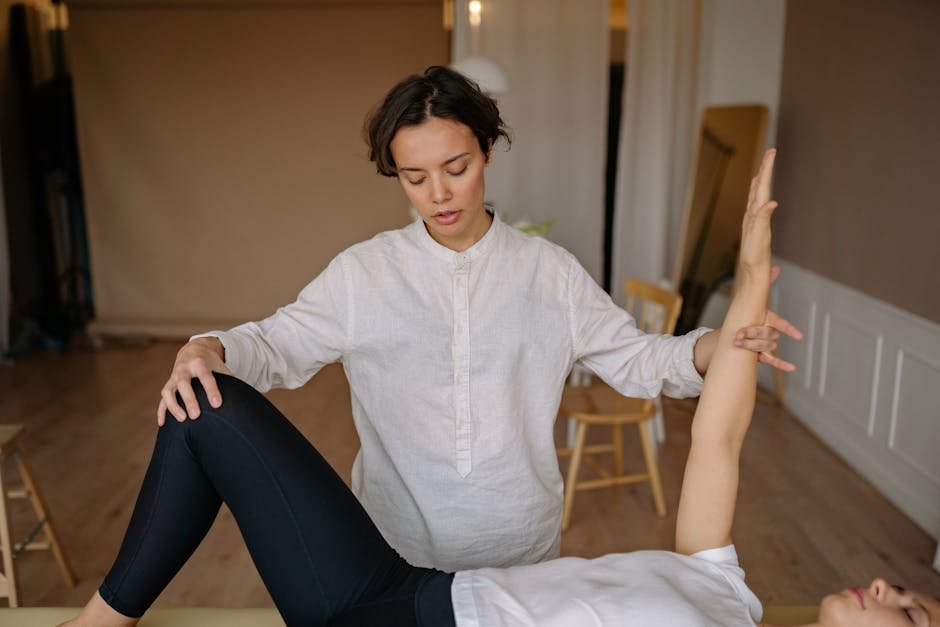
Houston’s thriving sports culture demands peak performance from athletes at every level, from weekend warriors to professional competitors. In this dynamic environment, sports massage therapy has emerged as a cornerstone of athletic excellence, providing crucial support for both recovery and performance enhancement. As the fourth-largest city in the United States, Houston offers a robust network of specialized massage therapy services designed specifically for the unique needs of athletes.
Sports massage therapy goes beyond traditional relaxation massage, incorporating specialized techniques that target the specific muscle groups and movement patterns used in athletic activities. This therapeutic approach has become increasingly recognized by sports medicine professionals, trainers, and athletes themselves as an essential component of comprehensive athletic care.
Understanding Sports Massage Therapy and Its Athletic Applications
Sports massage therapy is a specialized form of massage that focuses on treating and preventing injuries while enhancing athletic performance. Unlike general massage therapy, sports massage incorporates deep tissue techniques, trigger point therapy, and stretching protocols specifically designed for athletes’ needs.
The primary goals of sports massage include improving circulation, reducing muscle tension, preventing injuries, and accelerating recovery times. These techniques work by increasing blood flow to targeted areas, breaking down scar tissue, and promoting the elimination of metabolic waste products that accumulate during intense physical activity.
For Houston athletes, sports massage therapy offers several distinct advantages:
Pre-event preparation: Warming up muscles and preparing the body for optimal performance
Post-event recovery: Reducing muscle soreness and accelerating the healing process
Maintenance therapy: Ongoing care to prevent injuries and maintain peak condition
Rehabilitation support: Assisting in the recovery process from sports-related injuries
The physiological benefits extend beyond immediate muscle relief. Regular sports massage can improve flexibility, enhance range of motion, and contribute to better overall athletic performance by maintaining optimal muscle function and joint mobility.
Recovery Benefits: Accelerating the Healing Process
Recovery is perhaps the most critical aspect of any training regimen, and sports massage therapy plays a vital role in optimizing this process. Houston athletes engaging in intense training schedules or competitive sports place significant stress on their musculoskeletal systems, making effective recovery strategies essential.
The recovery benefits of sports massage are multifaceted and scientifically supported. Research published by the National Center for Biotechnology Information demonstrates that massage therapy can significantly reduce delayed onset muscle soreness (DOMS) and improve recovery markers in athletes.
Key recovery mechanisms include:
Enhanced Circulation and Lymphatic Drainage: Sports massage stimulates blood flow and lymphatic circulation, facilitating the removal of metabolic waste products such as lactic acid and cellular debris. This improved circulation delivers fresh oxygen and nutrients to recovering tissues, accelerating the natural healing process.
Reduced Inflammation: Targeted massage techniques help reduce inflammatory responses in overworked muscles and connective tissues. This reduction in inflammation not only decreases pain and discomfort but also promotes faster tissue repair and regeneration.
Muscle Tension Release: Intense training and competition create areas of muscle tension and adhesions that can impede proper function. Sports massage effectively addresses these issues through techniques such as deep tissue work, myofascial release, and trigger point therapy.
Improved Sleep Quality: Many Houston athletes report better sleep quality following sports massage sessions. Quality sleep is crucial for recovery, as it’s during rest periods that the body performs much of its repair and regeneration work.
Performance Enhancement Through Targeted Therapy
While recovery benefits are substantial, sports massage therapy also directly contributes to performance enhancement. Houston athletes across various sports disciplines utilize massage therapy as a proactive tool to maximize their competitive potential.
Performance enhancement occurs through several key mechanisms:
Increased Flexibility and Range of Motion: Regular sports massage helps maintain and improve flexibility by addressing muscle tightness and joint restrictions. Enhanced flexibility translates to better movement efficiency, reduced injury risk, and improved athletic performance across all sports disciplines.
Neuromuscular Facilitation: Sports massage techniques can improve neuromuscular communication, enhancing coordination, balance, and proprioception. These improvements are particularly valuable for Houston athletes participating in sports requiring precise movements and quick reactions.
Stress Reduction and Mental Clarity: The psychological benefits of sports massage shouldn’t be underestimated. Reduced stress levels and improved mental clarity contribute to better focus, decision-making, and overall athletic performance.
Injury Prevention: By maintaining optimal muscle function and addressing minor issues before they become major problems, sports massage serves as an effective injury prevention strategy. This proactive approach keeps athletes on the field and performing at their best.
Houston’s diverse athletic community benefits from these performance enhancements across various sports, from the explosive movements required in football and basketball to the endurance demands of marathon running and cycling.
Specialized Techniques for Different Sports and Activities
The effectiveness of sports massage therapy lies in its adaptability to specific athletic demands. Different sports place unique stresses on the body, requiring tailored approaches to maximize benefits. Houston’s massage therapy professionals understand these nuances and adapt their techniques accordingly.
Running and Endurance Sports: Runners and endurance athletes benefit from techniques that focus on the lower extremities, particularly the IT band, calves, and hip flexors. Deep tissue work and myofascial release help address the repetitive stress patterns common in these activities.
Contact Sports: Athletes in football, rugby, and martial arts require comprehensive full-body approaches that address impact-related tension and potential injury sites. Techniques often include trigger point therapy and cross-friction massage to address specific areas of concern.
Swimming: Swimmers benefit from shoulder-focused treatments that address the unique demands of overhead activities. Rotator cuff work and thoracic spine mobility become primary concerns for aquatic athletes.
Cycling: Cyclists often experience issues related to prolonged positioning and repetitive motion. Sports massage for cyclists typically emphasizes hip flexor release, IT band work, and addressing upper body tension from prolonged positioning.
Team Sports: Basketball, soccer, and volleyball players require comprehensive approaches that address the multidirectional movement patterns and jumping demands of their sports. Ankle, knee, and hip mobility become crucial focus areas.
The timing of massage therapy is also crucial for optimal benefits. Pre-event massage typically uses stimulating techniques to prepare muscles for activity, while post-event massage focuses on recovery and tension release. Maintenance massage, performed between training sessions, helps prevent issues from developing and maintains peak physical condition.
Integration with Comprehensive Athletic Care
Sports massage therapy achieves maximum effectiveness when integrated into a comprehensive athletic care program. Houston athletes benefit most when massage therapy works in conjunction with other healthcare professionals and training methodologies.
Collaboration with Sports Medicine Professionals: Effective integration requires communication between massage therapists, physical therapists, athletic trainers, and sports medicine physicians. This collaborative approach ensures that all aspects of an athlete’s care are coordinated and complementary.
Training Program Coordination: Sports massage should be scheduled in coordination with training cycles, competition schedules, and rest periods. Understanding periodization principles allows massage therapists to adjust their approach based on the athlete’s current training phase.
Nutritional and Hydration Support: Massage therapy effectiveness can be enhanced through proper hydration and nutrition. Athletes should be well-hydrated before sessions and maintain adequate nutrition to support the recovery processes stimulated by massage.
Home Care Education: Effective sports massage therapy extends beyond the treatment table. Athletes benefit from education about self-care techniques, including foam rolling, stretching protocols, and recognition of warning signs that may indicate the need for immediate attention.
The integration approach also includes establishing realistic expectations and treatment schedules. While some benefits of sports massage are immediately apparent, others develop over time with consistent treatment. Houston athletes working with qualified massage therapists develop long-term relationships that support their athletic careers.
Choosing the Right Sports Massage Therapy Provider
Selecting an appropriate sports massage therapy provider is crucial for achieving desired outcomes. Houston’s diverse massage therapy landscape offers numerous options, but finding the right match requires careful consideration of several factors.
Credentials and Specialization: Look for massage therapists who hold appropriate licenses and have specific training in sports massage techniques. Additional certifications in areas such as neuromuscular therapy, myofascial release, or specific sports applications indicate advanced expertise.
Experience with Athletes: Experience working with athletes in your specific sport or activity level provides valuable insight into the unique demands and common issues you may face. A therapist familiar with your sport’s movement patterns and injury patterns can provide more targeted care.
Treatment Approach: Effective sports massage therapists take a comprehensive approach that includes assessment, treatment, and follow-up care. They should be able to explain their treatment rationale and work with you to develop appropriate care plans.
Facility and Equipment: Professional sports massage therapy requires appropriate facilities and equipment. Look for clean, well-maintained treatment rooms with proper tables, supplies, and an overall professional atmosphere.
Communication and Education: The best sports massage therapists are also educators who help athletes understand their bodies and make informed decisions about their care. They should be willing to answer questions and provide guidance on self-care strategies.
For those seeking comprehensive wellness and therapeutic massage services in Houston, visit our homepage to learn more about our approach to athletic wellness and recovery.
Houston’s athletic community continues to grow and evolve, with sports massage therapy playing an increasingly important role in supporting athletic excellence. Whether you’re a professional athlete, competitive amateur, or recreational fitness enthusiast, incorporating sports massage therapy into your training regimen can provide significant benefits for both performance and recovery. The key lies in finding qualified providers who understand your specific needs and can deliver targeted, effective treatment that supports your athletic goals.