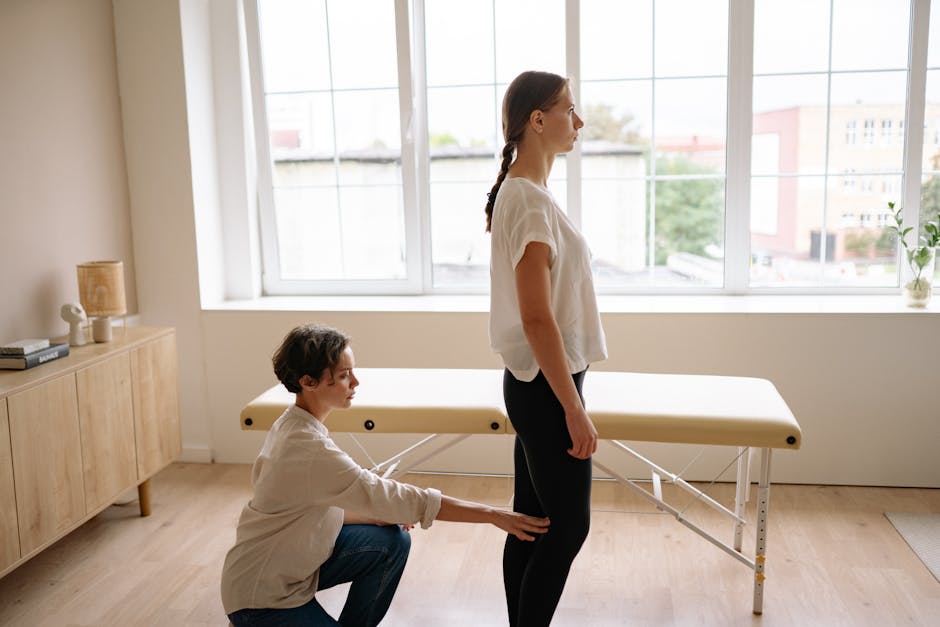
Houston’s thriving athletic community, from professional sports teams to weekend warriors, has created a significant demand for specialized sports massage therapy services. As one of the largest metropolitan areas in the United States, Houston hosts numerous sports teams, marathons, cycling events, and fitness enthusiasts who rely on sports massage therapy for both injury prevention and performance optimization.
Sports massage therapy differs significantly from traditional relaxation massage, focusing specifically on the needs of athletes and active individuals. This specialized form of bodywork combines various techniques designed to enhance athletic performance, prevent injuries, and accelerate recovery times between training sessions and competitions.
Understanding Sports Massage Therapy
Sports massage therapy is a specialized branch of massage therapy that addresses the unique physiological demands placed on the body during athletic activities. Unlike traditional Swedish massage, which primarily focuses on relaxation and stress relief, sports massage targets specific muscle groups, fascial restrictions, and movement patterns that directly impact athletic performance.
The practice incorporates multiple massage techniques including deep tissue work, trigger point therapy, myofascial release, and stretching protocols. These methods work synergistically to improve circulation, reduce muscle tension, enhance flexibility, and promote faster recovery from intense physical activity.
Sports massage therapy can be categorized into several types based on timing and purpose:
Pre-event massage: Light, stimulating techniques performed 15-45 minutes before competition to warm muscles and enhance performance
Post-event massage: Gentle techniques applied immediately after activity to reduce muscle soreness and promote recovery
Maintenance massage: Regular sessions during training periods to prevent injury and maintain optimal muscle function
Rehabilitation massage: Targeted treatment for specific injuries or chronic conditions affecting athletic performance
Benefits for Athletes and Active Individuals
The physiological and psychological benefits of sports massage therapy extend far beyond simple muscle relaxation. Regular sports massage sessions provide measurable improvements in various aspects of athletic performance and recovery.
Enhanced Recovery and Reduced Soreness
One of the most significant benefits of sports massage is its ability to accelerate recovery between training sessions. The increased circulation promoted by massage techniques helps remove metabolic waste products from muscle tissue while delivering fresh oxygen and nutrients essential for repair and regeneration.
Research published by the National Center for Biotechnology Information demonstrates that sports massage can significantly reduce delayed onset muscle soreness (DOMS) and improve range of motion following intense exercise.
Injury Prevention and Risk Reduction
Regular sports massage therapy helps identify potential problem areas before they develop into serious injuries. Skilled therapists can detect muscle imbalances, fascial restrictions, and areas of excessive tension that may predispose athletes to injury.
By addressing these issues proactively, sports massage therapy serves as an integral component of comprehensive injury prevention programs. The improved flexibility, reduced muscle tension, and enhanced proprioception resulting from regular massage sessions contribute to better movement patterns and reduced injury risk.
Performance Enhancement
Sports massage therapy directly impacts athletic performance through several mechanisms. Improved circulation enhances nutrient delivery to working muscles, while reduced muscle tension allows for more efficient movement patterns. Additionally, the psychological benefits of massage, including stress reduction and improved sleep quality, contribute to overall performance optimization.
Techniques and Approaches Used in Houston
Houston’s sports massage therapists employ a diverse range of techniques tailored to meet the specific needs of different athletic populations. The city’s diverse sports culture, encompassing everything from professional football and basketball to recreational cycling and running, requires therapists to master multiple approaches.
Deep Tissue and Myofascial Release
Deep tissue massage techniques target the deeper layers of muscle and connective tissue to address chronic tension patterns and fascial restrictions. This approach is particularly beneficial for athletes dealing with repetitive stress injuries or chronic pain conditions.
Myofascial release focuses specifically on the fascial system, using sustained pressure and stretching to improve tissue mobility and function. This technique is especially valuable for addressing movement restrictions and compensatory patterns that develop over time.
Trigger Point Therapy
Trigger point therapy addresses specific points of hyperirritability within muscle tissue that can refer pain to other areas of the body. Houston sports massage therapists use various trigger point techniques to deactivate these points and restore normal muscle function.
Movement Integration
Many Houston practitioners incorporate movement assessment and corrective exercises into their sports massage sessions. This integrated approach addresses not only tissue restrictions but also the underlying movement patterns that contribute to dysfunction and injury risk.
Houston’s Athletic Landscape and Sports Massage Demand
Houston’s status as the fourth-largest city in the United States, combined with its year-round warm climate, creates an ideal environment for athletic activity and sports massage therapy demand. The city hosts major professional sports teams including the Houston Texans (NFL), Houston Rockets (NBA), and Houston Astros (MLB), all of which rely heavily on sports massage therapy as part of their performance and recovery protocols.
Beyond professional athletics, Houston’s recreational sports scene is equally robust. The city hosts the Houston Marathon, one of the largest marathons in the United States, along with numerous cycling events, triathlons, and recreational sports leagues. This active population creates consistent demand for sports massage therapy services throughout the year.
The presence of major medical centers and sports medicine facilities in Houston has also contributed to the advancement of sports massage therapy practices. The integration of massage therapy with other healthcare disciplines has elevated the standard of care and expanded treatment options for athletes at all levels.
Choosing the Right Sports Massage Therapist
Selecting an appropriate sports massage therapist requires careful consideration of several factors, particularly in a large market like Houston where options are abundant. The most important considerations include education, certification, experience, and specialization.
Credentials and Education
Look for therapists who have completed comprehensive massage therapy education programs and hold current state licensure. Additional certifications in sports massage, such as those offered by the American Massage Therapy Association, demonstrate specialized knowledge and commitment to the field.
Experience with Your Sport
Different sports place unique demands on the body, and experienced sports massage therapists understand these sport-specific requirements. A therapist who works regularly with runners will have different expertise than one who specializes in contact sports or swimming.
Communication and Assessment Skills
Effective sports massage therapy requires excellent communication between therapist and client. Look for practitioners who conduct thorough assessments, ask relevant questions about your training and goals, and explain their treatment approach clearly.
Integrating Sports Massage into Your Training Program
To maximize the benefits of sports massage therapy, it should be integrated strategically into your overall training and recovery program. The frequency and timing of sessions depend on several factors including training intensity, competition schedule, and individual recovery needs.
During heavy training periods, weekly or bi-weekly sessions may be appropriate to maintain optimal muscle function and prevent overuse injuries. As competition approaches, the frequency and intensity of massage sessions should be adjusted to support peak performance without interfering with training adaptations.
For recreational athletes, monthly maintenance sessions may be sufficient to address minor issues and support overall wellness. However, during periods of increased activity or when dealing with specific problems, more frequent sessions may be beneficial.
Recovery protocols should also include other evidence-based modalities such as proper nutrition, hydration, sleep, and active recovery techniques. Sports massage therapy works most effectively when combined with these fundamental recovery strategies.
Houston’s vibrant athletic community continues to drive innovation and excellence in sports massage therapy services. Whether you’re a professional athlete, competitive amateur, or recreational fitness enthusiast, incorporating sports massage therapy into your routine can provide significant benefits for performance, recovery, and long-term athletic success. For more information about massage therapy services and wellness resources, visit our comprehensive wellness blog.