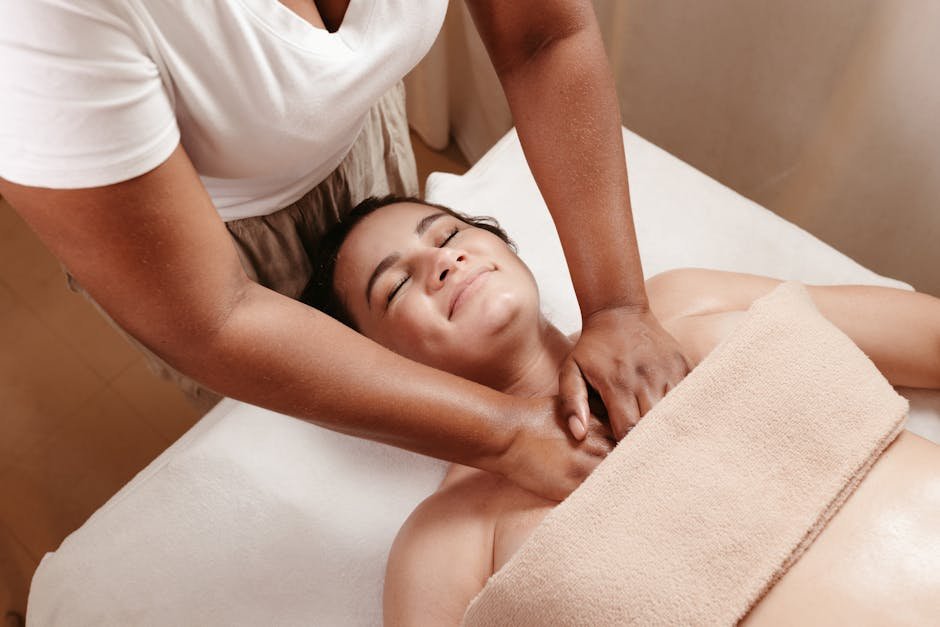
Migraines affect over 39 million Americans, causing debilitating pain that disrupts daily life and productivity. As sufferers seek natural alternatives to medication, many are discovering the therapeutic benefits of head spa treatments. These specialized scalp therapies, rooted in Japanese wellness traditions, offer a promising complementary approach to migraine management through targeted massage, stress reduction, and improved circulation.
Head spa treatments combine ancient healing wisdom with modern understanding of trigger point therapy and stress management. By addressing multiple factors that contribute to migraine onset—including muscle tension, stress, and poor circulation—these treatments may provide both immediate relief and long-term prevention benefits for chronic migraine sufferers.
The Science Behind Head Spa Treatments and Migraine Relief

Research supports the connection between scalp massage and migraine reduction. Clinical studies have shown that targeted massage therapy can decrease the frequency and intensity of tension headaches and migraines by up to 70% in some patients. Head spa treatments work through several physiological mechanisms that directly address migraine triggers.
The primary benefit comes from improved blood circulation in the scalp and neck region. Many migraines originate from vascular changes and restricted blood flow. The gentle, rhythmic massage techniques used in head spa treatments help dilate blood vessels, increase oxygen delivery to tissues, and promote the release of endorphins—the body’s natural pain relievers.
Additionally, head spa treatments target myofascial trigger points in the scalp, neck, and shoulder muscles. These tight knots of muscle fiber often contribute to referred pain patterns that manifest as migraines. By releasing tension in these areas, treatments can interrupt the pain cycle before it escalates into a full migraine episode.
The parasympathetic nervous system activation during head spa sessions also plays a crucial role. This “rest and digest” response counteracts the stress-induced sympathetic nervous system activity that frequently triggers migraines. The deep relaxation achieved during treatment helps regulate cortisol levels and promotes overall nervous system balance.
Stress Reduction and Migraine Prevention Through Head Spa Therapy
Stress ranks as the top migraine trigger for approximately 80% of sufferers. Head spa treatments excel at addressing this root cause through their comprehensive approach to relaxation and stress management. The multi-sensory experience creates an environment where the mind can fully disconnect from daily stressors.
During a typical session, clients experience aromatherapy with essential oils like lavender and eucalyptus, which have demonstrated stress-reducing properties in clinical research. The combination of touch therapy, soothing sounds, and calming scents activates multiple pathways in the brain that promote relaxation and reduce cortisol production.
Regular head spa treatments can help establish healthier stress response patterns. Many clients report improved sleep quality, reduced anxiety levels, and better emotional regulation following consistent treatment schedules. Since sleep disruption and emotional stress are major migraine triggers, these improvements often translate to fewer and less severe migraine episodes.
The mindfulness aspect of head spa treatments also contributes to stress management. The focused attention on present-moment sensations helps interrupt the cycle of worry and mental tension that can precipitate migraines. This meditative quality makes head spa treatments particularly effective for individuals whose migraines are closely linked to emotional stress and mental fatigue.
Specific Techniques and Their Therapeutic Benefits

Head spa treatments incorporate several specialized techniques that target different aspects of migraine pathophysiology. Understanding these methods helps explain why the treatments can be so effective for migraine management.
Scalp Massage Techniques: Practitioners use circular motions, gentle pressure point stimulation, and rhythmic kneading to increase circulation and release muscle tension. These movements specifically target the temporal, occipital, and frontal regions where migraine pain commonly originates.
Neck and Shoulder Integration: Since cervicogenic headaches often masquerade as migraines, head spa treatments typically include work on the upper cervical spine and shoulder muscles. This comprehensive approach addresses referred pain patterns that contribute to headache complexity.
Acupressure Applications: Many head spa protocols incorporate traditional acupressure points known to influence headache patterns. Points such as Yintang (between the eyebrows) and Baihui (crown of the head) have centuries of documented use for headache relief in traditional medicine systems.
Heat and Cold Therapy: Some treatments include warm oil applications or cool compresses to enhance circulation and provide immediate pain relief. Temperature therapy can help modulate pain signals and promote muscle relaxation in the scalp and neck region.
The layered approach of combining multiple techniques in a single session often produces synergistic effects that exceed what any single method might achieve alone. This comprehensive strategy makes head spa treatments particularly well-suited for complex conditions like migraines that have multiple contributing factors.
Frequency and Treatment Planning for Migraine Management
The effectiveness of head spa treatments for migraine management depends significantly on treatment frequency and consistency. While some individuals experience immediate relief after a single session, lasting benefits typically require a more structured approach.
For acute migraine relief, treatments can be scheduled at the first sign of an episode. Many clients find that receiving a head spa treatment during the prodrome phase—before pain peaks—can significantly reduce the severity and duration of the migraine. The early intervention approach is often more effective than waiting until the headache reaches full intensity.
Preventive care requires a different strategy. Research suggests that bi-weekly treatments for the first month, followed by monthly maintenance sessions, provide optimal results for chronic migraine sufferers. This schedule allows the cumulative benefits of improved circulation, reduced muscle tension, and better stress management to build over time.
Individual response varies based on migraine frequency, trigger sensitivity, and overall health status. Clients with daily or near-daily headaches may benefit from more frequent initial treatments, while those with episodic migraines might find weekly sessions sufficient during active phases.
Tracking treatment response through headache diaries helps optimize scheduling. Many clients notice patterns where their migraine frequency decreases after 4-6 consistent treatments, allowing for longer intervals between sessions while maintaining benefits.
Integrating Head Spa Treatments with Comprehensive Migraine Care
Head spa treatments work most effectively when integrated into a comprehensive migraine management plan rather than used as a standalone solution. The treatments complement medical interventions, lifestyle modifications, and other therapeutic approaches to create a holistic healing strategy.
Many healthcare providers now recognize the value of combining conventional treatments with complementary therapies like head spa treatments. This integrative approach allows patients to potentially reduce reliance on medications while addressing multiple aspects of migraine pathophysiology simultaneously.
Lifestyle factors that enhance treatment effectiveness include maintaining regular sleep schedules, staying adequately hydrated, and managing dietary triggers. Head spa treatments can support these efforts by improving sleep quality and reducing the stress that often leads to poor self-care decisions.
For optimal results, consider scheduling head spa treatments during lower-stress periods when possible. While treatments can provide relief during high-stress times, the preventive benefits are often more pronounced when the nervous system isn’t already overwhelmed by external pressures.
Communication with healthcare providers about head spa treatments ensures coordinated care and helps identify any potential interactions or contraindications. Most medical professionals support complementary approaches that have demonstrated safety and efficacy for migraine management.
The growing body of research supporting massage therapy for headache disorders, combined with centuries of traditional use, makes head spa treatments a valuable addition to modern migraine care. As more individuals seek natural, non-pharmaceutical approaches to pain management, these specialized treatments offer hope for improved quality of life and reduced migraine burden.
Contact Us
La Moon Massage and Facial Spa
19355 Katy Fwy #300, Houston, TX 77094