
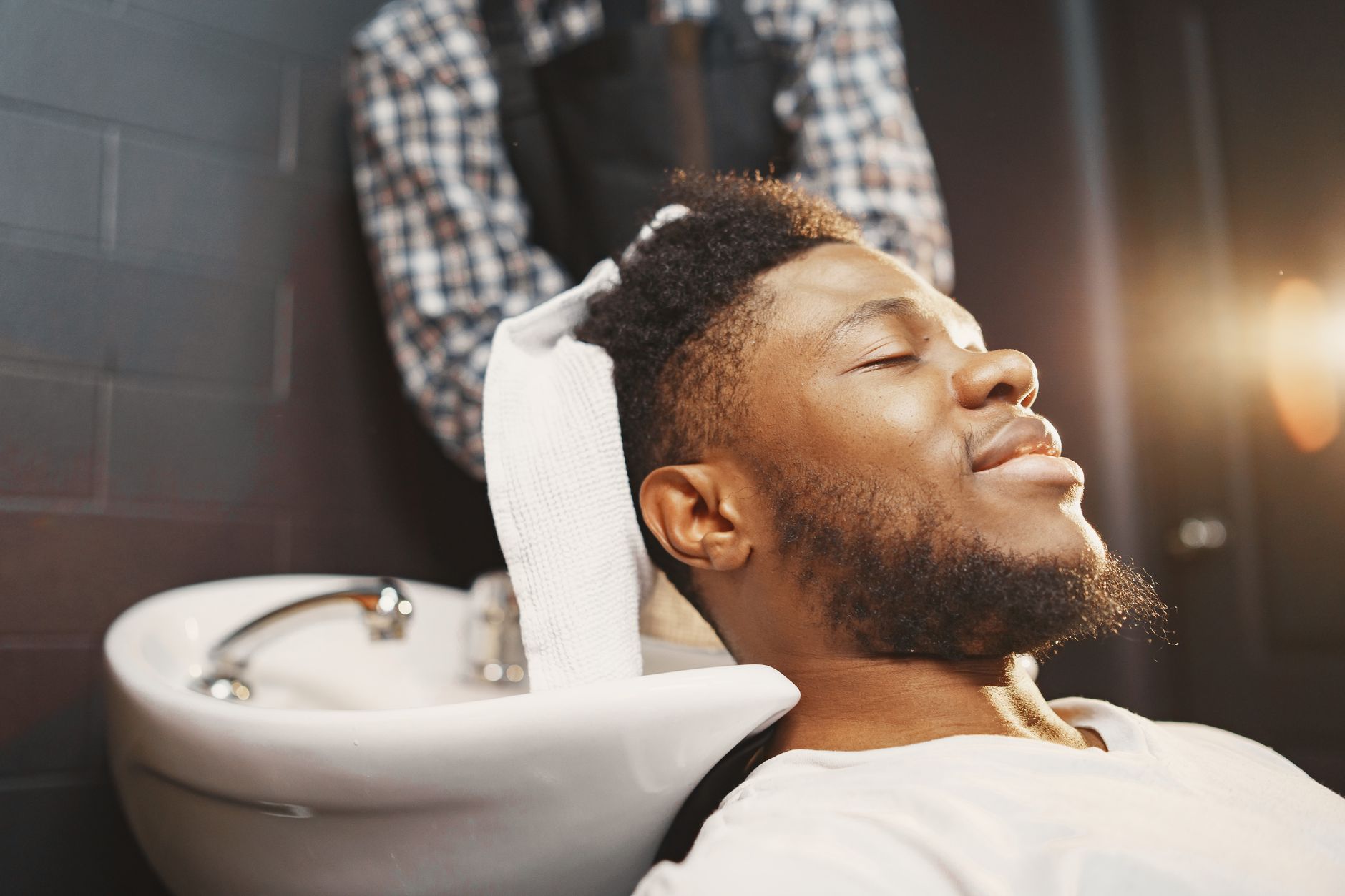
If you're dealing with hair that looks greasy by lunchtime or a scalp that feels perpetually slick, you're not alone. Houston's humidity doesn't help matters, but the real culprit is often excess sebum production—and yes, head spa treatments can make a genuine difference. I've worked with countless clients who thought they were stuck washing their hair daily just to keep the grease at bay, only to discover that proper scalp care changed everything.
The confusion around oily scalp usually stems from two myths: first, that you should strip your scalp of all oil (which actually triggers more production), and second, that it's purely genetic and untreatable. While genetics play a role, environmental factors, product buildup, and stress all contribute—and a targeted head spa approach addresses each of these.
Before Your Head Spa Treatment
Preparation matters more than most people realize. About 48 hours before your appointment, stop using heavy styling products, dry shampoo, or leave-in treatments. These create a barrier that prevents the therapist from accurately assessing your scalp's natural state. I've had clients come in with what looked like severe oiliness, only to find it was mostly product residue once we did a proper cleanse.
Don't wash your hair the morning of your treatment. This sounds counterintuitive when you're already self-conscious about greasiness, but your therapist needs to see your scalp in its typical condition. We're looking at oil distribution patterns, checking where sebum pools (usually around the hairline and crown), and noting any concurrent issues like flaking or redness.
Drink extra water the day before. When you're dehydrated, your body sometimes overcompensates by producing more oil. Houston's heat means many of us walk around mildly dehydrated without realizing it. A well-hydrated system responds better to the scalp massage and lymphatic techniques we'll use during treatment.
During the Head Spa Session
The session typically starts with a thorough scalp analysis using magnification. For oily scalp concerns, we're looking at pore congestion, sebum oxidation (that's the yellowish buildup you might notice), and inflammation. The treatment itself has several phases designed specifically for sebum regulation.
First comes a gentle exfoliation. This isn't the harsh scrubbing you might expect—we use enzymatic or clay-based treatments that break down excess oil and dead skin cells without triggering your scalp's panic response. When you scrub aggressively at home, your scalp thinks it's under attack and produces more oil to protect itself. Professional exfoliation removes buildup while keeping the scalp calm.
The deep cleansing phase uses specialized shampoos with ingredients like tea tree oil, charcoal, or salicylic acid. We're not just washing your hair—we're resetting your scalp's microbiome. Many people with oily scalps have an overgrowth of certain bacteria or yeast that contribute to excess sebum. The water temperature matters too; we use cooler water than you'd get with a regular shampoo because hot water stimulates oil glands.
Next is the massage component, which serves a specific purpose beyond relaxation. Targeted pressure points and lymphatic drainage techniques help move stagnant sebum and reduce the inflammation that often accompanies oily scalp conditions. We're working to improve circulation without overstimulating oil production—it's a delicate balance that requires proper training.
- Scalp steaming opens pores and softens hardened sebum plugs
- Application of balancing serums with niacinamide or zinc to regulate oil production
- Cool mist or cold towel application to close pores and calm the scalp
- Light-weight hydrating treatments on hair lengths only, avoiding the scalp area
One thing that surprises clients: we often apply moisture to oily scalps. Sounds backwards, but when your scalp is dehydrated underneath that oil layer, it produces even more sebum to compensate. We use water-based, non-comedogenic hydrators that won't add to the grease but will signal to your skin that it doesn't need to overproduce.
After Your Head Spa Treatment
The first 24 hours are crucial. Don't touch your hair more than necessary—the oils from your hands transfer easily, and touching is often a nervous habit when you're worried about greasiness. You might actually notice your scalp feels too clean initially, almost tight. That's normal and temporary as your oil glands recalibrate.
Wait at least 24 hours before using any styling products. When you do reintroduce them, choose water-based or gel formulas instead of creams or oils. I've seen people undo all the benefits of their treatment by immediately applying heavy serums or pomades. If you need something on your ends, keep it inches away from your scalp.
Your washing frequency will likely need adjustment. Most clients with oily scalps have been overwashing—daily or even twice daily—which paradoxically makes things worse. After a head spa treatment, try extending to every other day. Your scalp might protest the first week, but it typically adapts within 10-14 days and starts producing less oil overall.
Between treatments, use a clarifying rinse once weekly—apple cider vinegar diluted with water works well. This prevents buildup without stripping. Houston's hard water deposits minerals on your scalp that can make oil more visible and sticky, so addressing water quality helps maintain your results.
Most people see noticeable improvement after one session, but the best results come from a series. I usually recommend treatments every two to three weeks initially, then monthly for maintenance. As your scalp rebalances, you might find you need them less frequently. Some clients eventually space out to quarterly visits and maintain with good home care.
Watch for triggers between appointments. Stress, hormonal fluctuations, diet changes (especially increased sugar or dairy), and even switching pillowcases less frequently can all affect sebum production. Keep mental notes about what makes your scalp oilier—this information helps your therapist customize future sessions.
Quick Checklist for Managing Oily Scalp with Head Spa Treatments
- Schedule treatments every 2-3 weeks initially for best results
- Avoid heavy products 48 hours before your appointment
- Don't wash hair the morning of treatment
- Wait 24 hours post-treatment before applying styling products
- Gradually reduce washing frequency to every other day
- Use cool or lukewarm water when washing at home
- Switch to water-based styling products instead of oil or cream formulas
- Keep a symptom diary to identify personal triggers
- Stay hydrated—aim for at least eight glasses of water daily in Houston's heat
Contact Us
La Moon Massage and Facial Spa
19355 Katy Fwy #300, Houston, TX 77094