
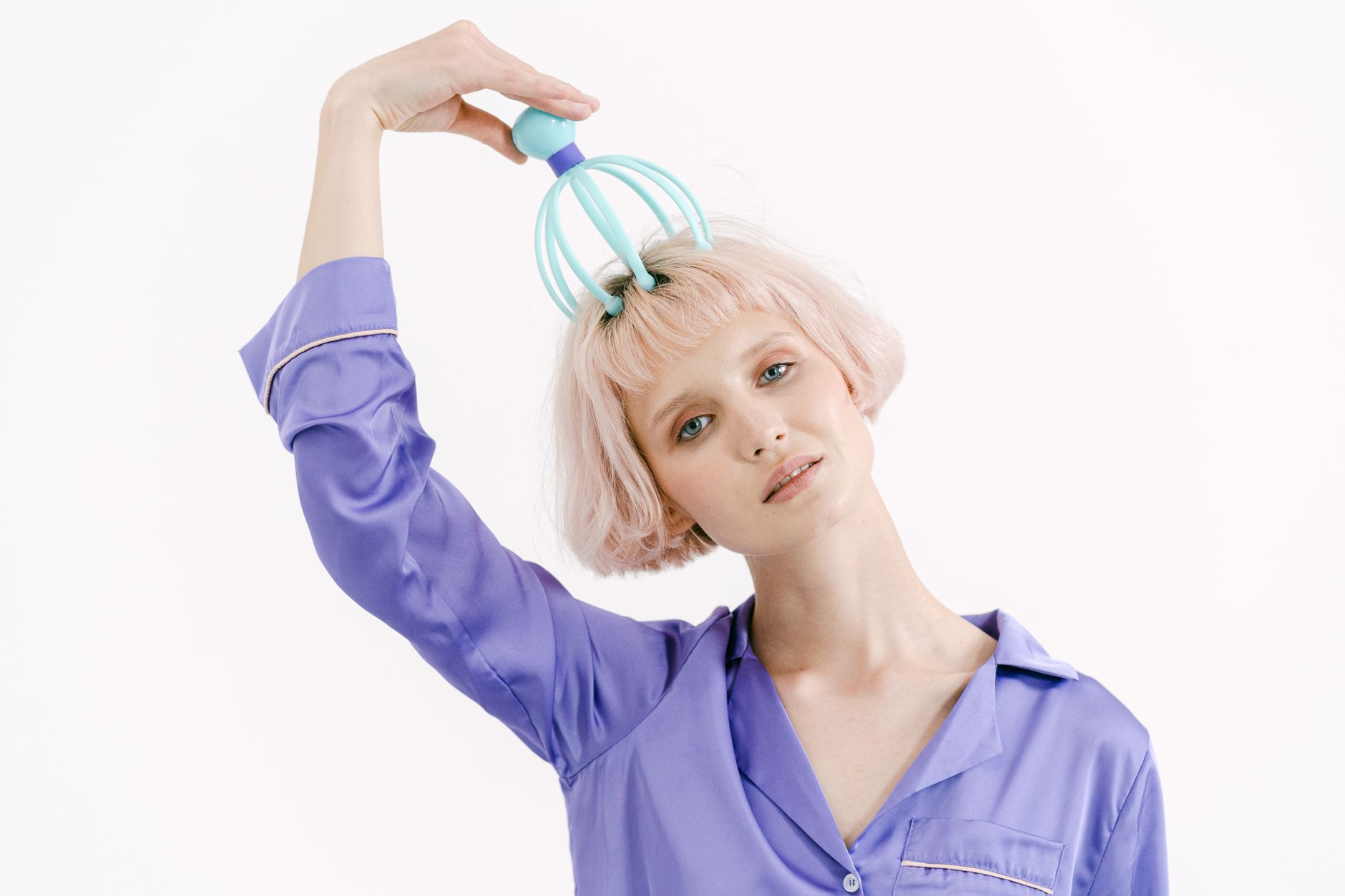
A head spa treatment is a scalp-focused wellness ritual that combines deep cleansing, exfoliation, massage, and hydration in one 60-90 minute session. This service has transformed from a niche offering into a widely requested treatment, and for good reason: it addresses the part of your self-care routine that most people overlook completely.
Your scalp collects product buildup, dead skin cells, oil, and environmental residue every single day. Regular shampooing doesn't fully reset things. A head spa does.
What Actually Happens During a Head Spa Session
Let's walk through it step by step, because knowing what to expect makes your first visit much more relaxing.
The Scalp Analysis (5-10 Minutes)
The session typically starts with a conversation. What brings you in? Itchy scalp, thinning hair, just curiosity? Do you use a lot of styling products? How often do you wash your hair?
Then the therapist examines your scalp. Some spas use magnification tools or cameras. The therapist examines your scalp visually and by touch to identify dry patches, oily zones, buildup around the hairline, or areas of tightness. This isn't a medical diagnosis. It's a snapshot that helps us customize the treatment. We're looking for clues: flaking, redness, product residue near the roots, or just general congestion.
Many people are surprised by what they learn. That persistent itch? Often from buildup trapped against the scalp. The dullness in your hair? Sometimes it's not your hair at all, it's residue coating every strand near the root.
First Cleanse and Exfoliation (10-15 Minutes)
Next comes the cleansing phase. The first cleanse focuses on breaking down oil, product, and surface debris. Therapists use gentle, circular motions to lift everything without stripping your scalp.
Next comes exfoliation. This might be a scrub with fine granules, a chemical exfoliant, or both. The goal is to remove dead skin cells that regular shampoo leaves behind. You'll feel the texture of the scrub, then the shift as we rinse it away. Your scalp starts to feel lighter almost immediately.
Deep Cleansing and Detox (10-15 Minutes)
The second cleanse goes deeper. This goes beyond just washing hair; it resets your scalp environment. If you have a lot of buildup (dry shampoo users, we're looking at you), this round makes a huge difference.
Some treatments include a detoxifying clay mask or charcoal treatment at this stage. These draw out impurities and balance oil production. The therapist applies it, lets it sit for a few minutes, then rinses thoroughly.
The Massage (20-30 Minutes)
This is the part most clients remember. Therapists use a combination of techniques: acupressure points along your scalp, neck, and shoulders; gentle kneading to release tension in the muscles around your head; sometimes tools like gua sha stones or warm massagers.
Scalp massage has been studied for its potential to improve hair thickness and reduce stress, though the research is still limited. A small 2016 study found that scalp massage increased hair thickness in nine men over 24 weeks, though the research is limited. Many people report leaving with less tension, better mood, and a scalp that feels genuinely relaxed.
The massage may improve blood flow to the scalp. Does that guarantee hair growth? No. But some small studies suggest regular scalp massage may support hair thickness over time. Head spa treatments are not medical treatments, but some people notice their hair feels fuller and healthier with consistent sessions.
What it feels like: pressure that's firm but never painful, warmth spreading across your head, a sense of your whole skull relaxing. Some people drift off. Others stay awake and enjoy the sensation. Both are perfectly normal.
Treatment Mask and Steam (10-20 Minutes)
After the massage, therapists apply a hydrating or nourishing mask customized to what your scalp needs. Dry, flaky scalp? Deep hydration. Oily and congested? Balancing botanicals. The mask sits while we apply gentle steam to help the ingredients penetrate.
Steam also feels wonderful. It softens everything, opens your pores slightly (yes, your scalp has pores too), and adds another layer of relaxation to the experience.
Final Rinse and Finish (10-15 Minutes)
The therapist rinses everything thoroughly, then applies a light conditioner or leave-in treatment to your hair if needed. What happens next depends on the package you booked and your preference. Some sessions include a blowout. Others leave your hair damp so you can style it yourself later. Just ask during booking if you're wondering whether you'll leave with wet hair.
What Makes Head Spa Different from a Regular Salon Treatment
Good question. A salon deep conditioning treatment focuses on your hair strands. A head spa focuses on your scalp skin.
Think of it this way: conditioner coats and smooths your hair. A head spa cleanses, exfoliates, and treats the skin where your hair grows. Different goals, different techniques, different results.
You might get a scalp massage at a salon during a regular wash, but it's usually brief, two or three minutes. A head spa dedicates 20-30 minutes just to massage and includes multiple rounds of cleansing, exfoliation, and treatment masks you won't find in a standard salon service.
The other big difference: intention. Head spa treatments are designed as wellness experiences. Many spas dim the lights, play calming music, and create an environment where you can truly disconnect. Salons are often brighter, busier, and focused on the cosmetic outcome. Both have their place. They're just solving different problems.
Realistic Benefits: What You'll Notice and What You Won't
Let's be honest about what a head spa can and can't do.
What many clients notice right away:
- Scalp feels lighter, cleaner, less itchy or tight
- Hair looks shinier because buildup is gone
- Deep sense of relaxation, similar to a massage
- Reduced flaking or dandruff symptoms (from the exfoliation and hydration)
- Products work better on a clean scalp
What happens over time with regular sessions:
- Scalp health improves (less dryness, better oil balance)
- Some clients report less shedding, though individual results vary widely
- Hair texture may feel softer and more manageable
- Stress-related tension headaches often decrease
What a head spa won't do:
- Regrow hair if you have pattern baldness or a diagnosed medical condition
- Replace medical treatment for scalp issues that need a dermatologist
- Permanently change your hair type or growth rate
- Deliver instant, dramatic cosmetic changes like color or cut would
If you're dealing with a diagnosed condition like seborrheic dermatitis, psoriasis, or alopecia, talk to your doctor first. A head spa can complement your care routine, but it's not a medical treatment.
How Much Does a Head Spa Cost and How Often Should You Go?
Pricing varies based on the length of the session and what's included. In the U.S. market, head spa treatments generally range from around $40 for a basic session to $250 or more for luxury packages with add-ons like hot stones, aromatherapy, or extended massage.
We offer head spa and scalp treatments at La Moon Day Spa. You can see current pricing and book online at booking.lamoondayspa.com or call us at (346) 258-5588. Our team can walk you through the options and help you choose the right fit for your needs and budget.
How often should you book? Most clients feel best with a session every 4-6 weeks. If you use a lot of styling products or have very oily or very dry scalp, you might benefit from every 3-4 weeks at first, then spacing out as things improve. If you just want the relaxation and occasional reset, every 8-12 weeks works fine.
There's no medical standard here. Listen to your scalp and your schedule.
How to Prepare for Your First Appointment
Preparing is easy. In fact, you'll do less than you think.
Don't wash your hair the day of. We need to see your scalp in its natural state. That means your usual oil production, any buildup from your products, the real baseline. Come as you are. We'll handle the cleansing.
Wear comfortable clothing. You'll be lying back or sitting in a reclined position. A button-down or loose top works better than something you have to pull over your head afterward with damp hair.
Arrive fresh. As with massage appointments, spas appreciate when guests arrive clean and fresh. A quick shower beforehand (minus the hair wash) is great if your schedule allows, but many guests come straight from work and that's perfectly fine.
Communicate your concerns. During the consultation, tell us everything: if your scalp is sensitive, if you have color-treated hair, if you're pregnant, if you've recently had Botox or other cosmetic treatments. The more we know, the better we can customize.
Speaking of pregnancy and Botox: scalp treatments are generally safe, but the massage pressure and products need adjustment. Let the spa know during booking so they can make sure everything is appropriate and comfortable for your situation.
Skip heavy styling products that morning. A little dry shampoo or light product is fine, but if you can avoid hairspray, heavy gels, or oils the morning of your appointment, the treatment will be more effective.
What to Ask During Your Consultation
Ask questions during your consultation. Here's what to bring up if you have specific concerns:
- "My scalp gets oily by the end of the day. Can you help with that?" Yes. The therapist will focus on balancing treatments and might recommend products that regulate sebum without over-drying.
- "I have dandruff that won't go away. Will this help?" Head spa can reduce flaking from dryness and buildup, which many people mistake for dandruff. If it's true dandruff (a yeast overgrowth), you might still see improvement, but talk to a dermatologist too if it persists.
- "I'm noticing more shedding lately. Is that something a head spa addresses?" A head spa can't diagnose the cause, but a healthy scalp environment supports healthier hair. If shedding is sudden or severe, check with your doctor first to rule out medical issues.
- "I have extensions (or braids, or color-treated hair). Is this safe?" Usually yes, but therapists will adjust techniques and products. Always mention this upfront.
- "Will my hair be wet when I leave?" Depends on the package and your preference. Ask when you book.
After Your Session: What to Do and What to Avoid
You'll leave with a clean, refreshed scalp. Here's how to maintain it:
Wait at least 24 hours before washing your hair again. Let the treatment work. The products applied during your session continue to benefit your scalp even after you leave.
Avoid heavy styling products for a day or two. Your scalp is clean. Keep it that way for a bit.
Drink water. Scalp skin is skin. Hydration helps.
Notice how your scalp feels over the next week. Less itchy? Less tight? That's your new baseline. If you go back to old buildup patterns, it's a sign you might need sessions more often or a change in your home hair care routine.
If you experience any irritation, redness, or discomfort in the days after, let the spa know. True reactions are rare, but the spa will want to know so they can adjust next time.
Choosing Between Basic and Luxury Packages
Most spas offer different tiers. A basic head spa usually includes cleansing, massage, and a simple treatment. It's shorter (closer to 60 minutes) and focuses on the essentials.
Luxury or premium packages add time and extras: extended massage, aromatherapy, hot stones, specialized serums, steam therapy, sometimes even light therapy or gua sha tools. These run 75-90 minutes and layer on more relaxation and intensity.
Which should you book for your first time? If you're curious but cautious, start with a basic session. You'll get the full experience and can always upgrade next time. If you know you love spa treatments and want the full experience, go for the luxury option. You won't regret the extra time.
You can explore all of our services, including head spa and other treatments like facials and massage, at our services page" target="_blank">lamoondayspa.com/services.
When NOT to Book a Head Spa
A few situations call for caution or a postponement:
- Active scalp infection, open sores, or severe irritation (see a doctor first)
- Very recent hair color or chemical treatment (wait at least a week so color sets properly)
- Sunburned scalp (ouch, let it heal first)
- Recent scalp surgery or injections (get clearance from your provider)
- Lice or other contagious scalp conditions (obviously, treat that first)
If you're unsure, call the spa and ask. It's better to get guidance than to book something that isn't safe or effective yet.
The Difference Between Japanese and Korean Head Spa Styles
You might see spas advertising "Japanese head spa" or "Korean scalp treatment." There are subtle differences rooted in tradition and technique.
Japanese head spa tends to emphasize ritual, precision, and a meditative approach. Techniques often include acupressure, careful scalp analysis, and a structured sequence of steps. The aesthetic is minimalist, calm, and focused on the experience as much as the result.
Korean head spa often incorporates more technology: scalp cameras, LED therapy, automated massage tools, or botanical ampoules. The approach can feel more clinical and results-driven, though still deeply relaxing. K-beauty trends influence product choices and the focus on treating specific scalp concerns like sebum control or hair density.
Both styles deliver similar core benefits: cleansing, exfoliation, massage, and hydration. The difference is mostly in philosophy and tools. Many spas blend techniques from multiple traditions to give you what works best, without being dogmatic about any one approach.
Tipping and Etiquette
Yes, you should tip your therapist or esthetician just like you would for a massage or facial. Standard is 15-20% of the service cost. If the experience was exceptional, feel free to tip more.
Other etiquette basics: turn off your phone or put it on silent. This is your time to disconnect. If you need to leave it on for an emergency, let the therapist know at the start.
If you're running late, call ahead. Many spas will do their best to accommodate, but if you're more than 15 minutes late, they might need to shorten the session or reschedule so they don't impact the next guest.
As with massage services generally, spas appreciate when guests arrive clean and fresh. Many people come straight from work, and that's completely fine. A quick freshen-up if possible is appreciated.
Is a Head Spa Actually Worth It?
For most people, yes. If you've never thought much about scalp health, your first session will be eye-opening. If you deal with persistent itchiness, flaking, or buildup, you'll feel relief you didn't know was possible. If you just want deep relaxation and an hour of complete self-care, a head spa delivers that too.
The value isn't just physical. It's the permission to slow down, the hands working tension out of your head and neck, the quiet space where you're not expected to do anything but receive care. In that sense, a head spa is worth it the same way any good massage or facial is worth it: because you deserve to feel cared for.
We're located at 19355 Katy Fwy, Suite 300, Houston, TX 77094, and we're open seven days a week from 9 AM to 9 PM. Book your first head spa session online at booking.lamoondayspa.com or give us a call at (346) 258-5588. Our team will answer any questions and help you choose the best option for your first visit.
Your scalp does a lot of work. It's time to give it some attention.
Frequently asked questions
What is a head spa treatment?
A head spa is a multi-step scalp treatment that combines deep cleansing, exfoliation, massage, and hydration. Think of it as a facial for your scalp, typically lasting 60-90 minutes and designed to address buildup, dryness, tension, and overall scalp health.
Should I wash my hair before a head spa?
No, don't wash your hair before your appointment. Spas want to see your scalp in its natural state so they can assess oil levels, buildup, and specific needs. They'll handle all the cleansing during the treatment.
How long does a head spa take?
Most head spa sessions run 60-90 minutes. That includes the initial scalp analysis, cleansing rounds, massage, treatment masks, and steam. If you're wondering about blowout time, that depends on your hair length and the package you choose.
What should I expect after my first head spa session?
Right after, your scalp will feel lighter, cleaner, and more relaxed. Many clients notice less itchiness immediately and say their hair looks shinier. Over the next few days, you might see reduced flaking and your products will work better on a clean scalp.