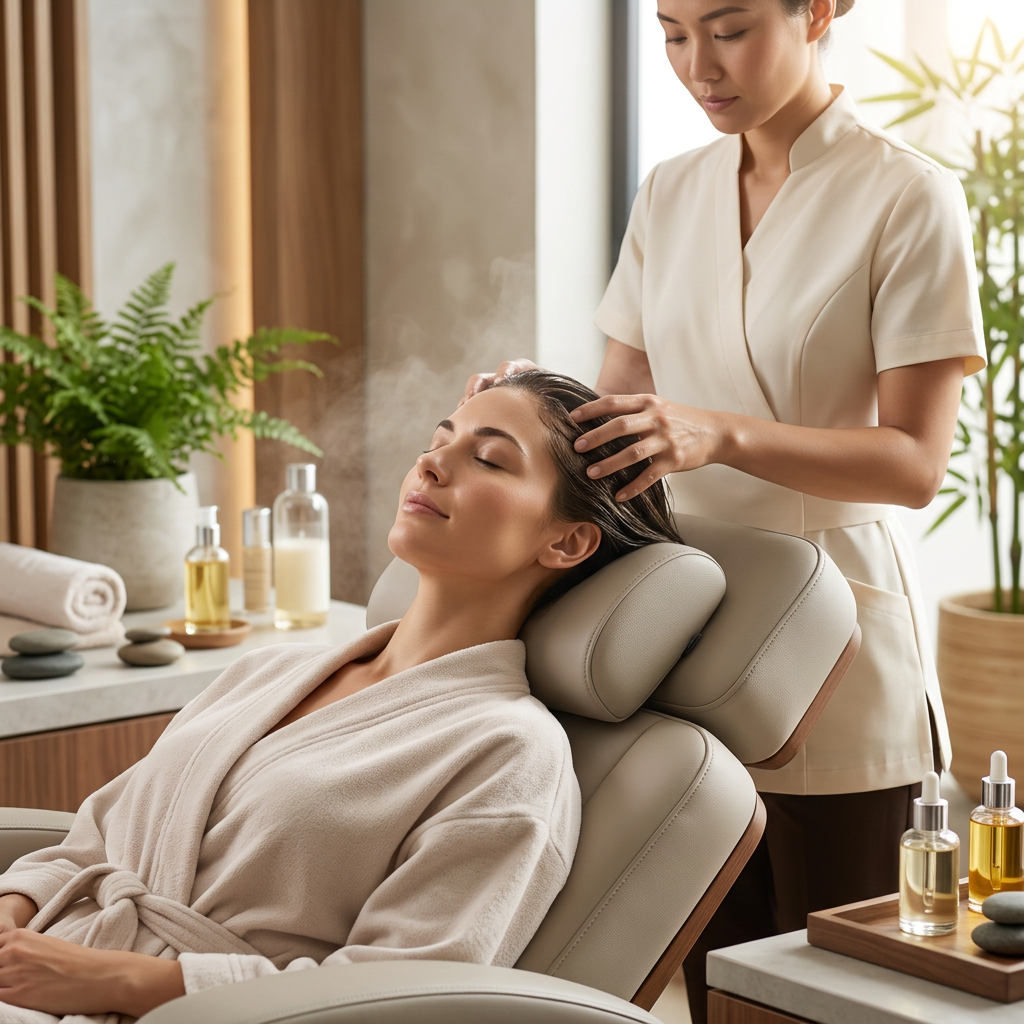
Head spa treatments have gained tremendous popularity in recent years, offering a luxurious and therapeutic approach to scalp and hair care. One of the most crucial elements that make these treatments so effective is the careful selection of oils used during the process. Understanding which oils are commonly used in head spa treatments can help you make informed decisions about your scalp wellness journey and appreciate the science behind these rejuvenating therapies.
The oils used in head spa treatments are specifically chosen for their therapeutic properties, ability to nourish the scalp, and compatibility with various hair types. These carefully selected botanical extracts work synergistically to promote circulation, reduce tension, and create a deeply relaxing experience that goes beyond simple hair care.
Traditional Japanese Oils in Head Spa Treatments

Japanese head spa traditions form the foundation of modern scalp therapy treatments, incorporating time-tested oils that have been used for centuries. Camellia oil, also known as tsubaki oil, stands as one of the most revered choices in authentic Japanese head spa treatments. This lightweight oil is rich in oleic acid and vitamins A, B, D, and E, making it exceptional for nourishing both the scalp and hair follicles without leaving a greasy residue.
Sesame oil represents another cornerstone of traditional Japanese scalp therapy. Its molecular structure allows for deep penetration into the scalp, providing intense moisturization while promoting healthy circulation. The oil’s natural antioxidant properties help protect the scalp from environmental damage and support the natural healing processes.
Rice bran oil completes the trio of traditional Japanese oils commonly used in head spa treatments. This oil contains gamma-oryzanol, a powerful antioxidant that helps strengthen hair follicles and improve overall scalp health. Its light texture makes it ideal for all hair types, including fine hair that might be weighed down by heavier oils.
Many practitioners also incorporate jojoba oil into their traditional treatments, though technically a liquid wax, it closely mimics the scalp’s natural sebum production. This unique property makes it particularly effective for balancing oily and dry scalp conditions during head spa sessions.
Essential Oils for Therapeutic Benefits
Essential oils play a crucial role in enhancing the therapeutic benefits of head spa treatments, with each oil selected for specific properties that support scalp health and relaxation. Lavender essential oil is perhaps the most commonly used, prized for its exceptional calming properties and ability to promote deep relaxation during treatment sessions.
Rosemary essential oil has gained significant recognition in head spa treatments for its ability to stimulate circulation in the scalp. Research has shown that rosemary oil can be as effective as conventional treatments for promoting healthy hair growth, making it a popular choice for clients concerned about hair thinning or loss.
Peppermint essential oil provides an invigorating sensation that helps increase blood flow to the scalp while creating a cooling effect that many clients find refreshing. The menthol content in peppermint oil also provides a mild analgesic effect, helping to relieve tension headaches and scalp discomfort.
Tea tree oil serves as an excellent choice for clients with scalp issues such as dandruff or excess oiliness. Its antimicrobial and anti-inflammatory properties help maintain a healthy scalp environment while providing a clean, fresh sensation during the treatment.
Eucalyptus oil offers similar benefits to peppermint, providing a cooling sensation while promoting circulation. Its antiseptic properties make it particularly beneficial for maintaining scalp hygiene and creating a spa-like aromatherapy experience.
Carrier Oils for Deep Nourishment

Carrier oils form the foundation of most head spa oil blends, providing the necessary base for essential oils while delivering their own unique benefits to the scalp and hair. Argan oil has become increasingly popular in head spa treatments due to its high concentration of vitamin E and essential fatty acids. This Moroccan oil provides deep moisturization without clogging pores, making it suitable for various scalp conditions.
Sweet almond oil offers excellent emollient properties and is particularly beneficial for dry or sensitive scalps. Its mild nature makes it an ideal choice for clients with sensitive skin, while its vitamin E content provides antioxidant protection during treatments.
Coconut oil remains a popular choice due to its antimicrobial properties and ability to penetrate the hair shaft. However, its heavier consistency makes it more suitable for certain hair types and treatment goals. Many practitioners use fractionated coconut oil, which remains liquid at room temperature and provides easier application.
Grapeseed oil offers a lighter alternative that won’t weigh down fine hair while still providing essential nutrients. Its high linoleic acid content makes it particularly beneficial for maintaining scalp health and supporting the skin barrier function.
For those seeking to understand the complete head spa treatment experience, these carrier oils work in conjunction with specialized massage techniques and cleansing protocols to deliver comprehensive scalp therapy.
Specialized Oil Blends and Customization
Professional head spa practitioners often create custom oil blends tailored to individual client needs and preferences. These specialized combinations maximize therapeutic benefits while addressing specific scalp concerns. Anti-aging oil blends typically combine argan oil with rosehip seed oil and vitamin E, targeting scalp concerns related to aging and environmental damage.
Circulation-boosting blends often feature a base of sesame or jojoba oil combined with rosemary, peppermint, and ginger essential oils. These formulations are designed to stimulate blood flow to the scalp, promoting healthy hair growth and relieving tension.
Calming and stress-relief blends typically incorporate lavender, chamomile, and bergamot essential oils in a base of sweet almond or fractionated coconut oil. These combinations are particularly popular for clients seeking relaxation and stress reduction through their head spa experience.
Many Houston head spa establishments also offer seasonal oil blends that adapt to changing weather conditions and client needs throughout the year. Summer blends might feature lighter oils with cooling peppermint or eucalyptus, while winter formulations often include richer oils like avocado or macadamia nut oil for added moisture protection.
Application Techniques and Oil Selection Considerations
The effectiveness of oils in head spa treatments depends not only on the selection but also on proper application techniques and timing. Pre-treatment oil application often involves lighter oils that can be easily worked into the scalp during the initial massage phase. These oils are typically applied warm to enhance absorption and create a more comfortable experience.
Deep treatment phases may utilize heavier, more nourishing oils that remain on the scalp for extended periods. These intensive treatments often incorporate oils like castor oil or black seed oil, which require longer contact time to deliver their full benefits.
Professional practitioners consider several factors when selecting oils for individual treatments, including hair type, scalp condition, client preferences, and any allergies or sensitivities. Patch testing is often recommended for clients with sensitive skin or unknown allergies, ensuring a safe and comfortable treatment experience.
The temperature of oil application also plays a crucial role in treatment effectiveness. Warm oils enhance absorption and create a more relaxing experience, while the warming process can also help release the aromatic compounds in essential oils, enhancing the aromatherapy benefits of the treatment.
Understanding the various oils used in head spa treatments empowers clients to make informed decisions about their scalp wellness journey. Whether seeking relaxation, scalp health improvement, or hair growth support, the right combination of oils can transform a simple head spa session into a therapeutic experience that benefits both physical and mental well-being. As the popularity of head spa treatments continues to grow in 2026, the sophisticated use of these carefully selected oils remains at the heart of effective scalp therapy.
Contact Us
La Moon Massage and Facial Spa
19355 Katy Fwy #300, Houston, TX 77094