
Pregnancy brings many questions about which wellness treatments are safe for both mother and baby. Head spa treatments, with their relaxing scalp massages and therapeutic benefits, have become increasingly popular among expecting mothers seeking stress relief and self-care during this transformative time.
The safety of head spa treatments during pregnancy largely depends on the specific techniques used, timing within the pregnancy, and individual health considerations. While many aspects of head spa treatments can be safely adapted for pregnant women, understanding the guidelines and precautions is essential for making informed decisions about prenatal wellness care.
Understanding Head Spa Safety During Pregnancy
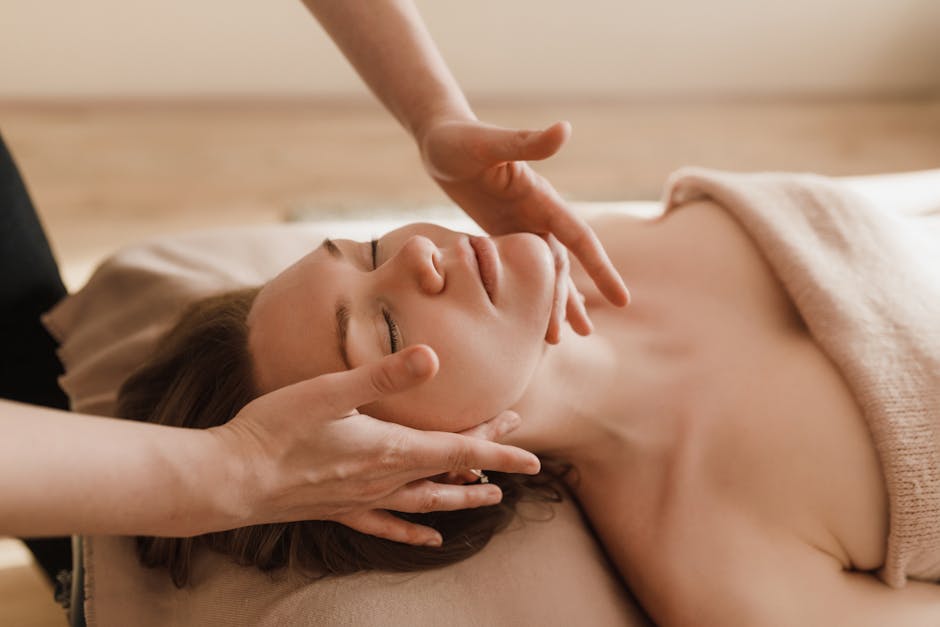
Most head spa treatments focus on gentle scalp massage, cleansing, and relaxation techniques that pose minimal risk when performed correctly. The primary safety concerns during pregnancy relate to positioning, pressure points, and the products used during treatment.
Generally Safe Elements:
- Gentle scalp massage using light to moderate pressure
- Warm water cleansing and conditioning treatments
- Aromatherapy using pregnancy-safe essential oils
- Relaxation and stress-reduction techniques
- Scalp exfoliation with mild, natural products
The key to safe head spa treatments during pregnancy lies in proper modification of techniques and avoiding certain practices that could potentially cause complications. Professional therapists trained in prenatal care understand how to adapt traditional head spa methods to ensure maximum safety and comfort.
Positioning becomes particularly important as pregnancy progresses. During the first trimester, most standard positioning is acceptable, but modifications are necessary as the pregnancy advances to prevent compression of blood vessels and ensure proper circulation.
Trimester-Specific Considerations and Modifications
First Trimester (Weeks 1-12):
During early pregnancy, most head spa treatments can be performed with minimal modifications. However, this is when morning sickness and heightened sensitivity to scents are most common, making it important to avoid strong fragrances or essential oils that might trigger nausea.
Second Trimester (Weeks 13-26):
Often considered the safest time for spa treatments, the second trimester allows for most head spa techniques with some positioning adjustments. Side-lying or semi-reclined positions become preferable to lying completely flat, which can compress the vena cava and reduce blood flow.
Third Trimester (Weeks 27-40):
The final trimester requires the most significant modifications. Positioning becomes crucial, with treatments typically performed in a semi-upright position or side-lying with proper support. Pressure on certain acupressure points should be avoided, as some are believed to stimulate uterine contractions.
Throughout all trimesters, hydration remains essential, and treatment duration may need to be shortened to prevent fatigue or discomfort. The therapist should regularly check in with the client to ensure continued comfort and well-being.
Products and Ingredients to Consider

The products used during head spa treatments require careful consideration during pregnancy. While topical scalp treatments pose less risk than ingested substances, some ingredients should still be avoided or used with caution.
Safe Product Categories:
- Natural, organic shampoos and conditioners
- Gentle, plant-based scalp treatments
- Pregnancy-safe essential oils in low concentrations
- Mineral-rich clays and natural exfoliants
- Fragrance-free or lightly scented products
Ingredients to Avoid:
- High concentrations of salicylic acid
- Retinoids and strong chemical exfoliants
- Certain essential oils (rosemary, sage, juniper)
- Products with strong synthetic fragrances
- Formaldehyde-containing treatments
Many pregnancy-safe alternatives exist for traditional head spa products. Natural oils like coconut, jojoba, and sweet almond oil provide excellent moisturizing benefits without safety concerns. Gentle herbal infusions can offer aromatherapy benefits while avoiding potentially problematic essential oils.
It’s advisable to discuss product ingredients with both your healthcare provider and the spa therapist before treatment. Bringing your own pregnancy-approved products is always an option if you have specific concerns or sensitivities.
Specific Techniques and Pressure Points to Avoid
While gentle scalp massage is generally safe during pregnancy, certain acupressure points and massage techniques should be avoided due to their potential to stimulate uterine activity or affect blood pressure.
Pressure Points to Avoid:
- GB21 (shoulder well point at the top of the shoulders)
- LI4 (between thumb and index finger)
- BL60 (ankle point behind the outer ankle bone)
- SP6 (inner ankle, four finger-widths above the ankle bone)
Professional head spa therapists trained in prenatal massage understand these restrictions and can provide effective treatment while avoiding problematic areas. The focus should remain on gentle, flowing movements that promote circulation and relaxation without applying deep pressure to specific acupoints.
Instead of traditional deep tissue techniques, pregnant clients benefit from lighter pressure massage that stimulates blood flow and reduces tension without risking overstimulation. Swedish massage techniques adapted for the scalp and neck area provide excellent therapeutic benefits while maintaining safety.
When to Consult Healthcare Providers and Special Circumstances
While head spa treatments are generally safe for most pregnant women, certain medical conditions and circumstances require additional caution or medical clearance before proceeding with treatment.
Conditions Requiring Medical Clearance:
- High-risk pregnancy or history of pregnancy complications
- High blood pressure or preeclampsia
- Severe morning sickness or hyperemesis gravidarum
- Placenta previa or other placental complications
- History of preterm labor or cervical insufficiency
- Blood clotting disorders
Even with a low-risk pregnancy, it’s wise to inform your obstetrician about planned spa treatments, especially if you have any concerns or questions. Most healthcare providers support gentle, stress-reducing activities during pregnancy and can provide specific guidance based on your individual situation.
Signs that indicate you should stop or avoid head spa treatment include dizziness, nausea, unusual fatigue, contractions, or any discomfort. Trust your body’s signals and don’t hesitate to modify or discontinue treatment if something doesn’t feel right.
Choosing the Right Spa and Therapist:
When selecting a head spa for prenatal treatment, look for establishments with experience in pregnancy massage and prenatal care. Ask about their policies, staff training, and available modifications for pregnant clients. A reputable spa will have protocols in place for treating expectant mothers safely and comfortably.
The benefits of properly administered head spa treatments during pregnancy can include stress reduction, improved circulation, relief from pregnancy-related headaches, and enhanced overall well-being. With appropriate precautions and professional guidance, these treatments can be a valuable part of prenatal self-care, contributing to both physical comfort and emotional wellness during this special time.
Contact Us
La Moon Massage and Facial Spa
19355 Katy Fwy #300, Houston, TX 77094