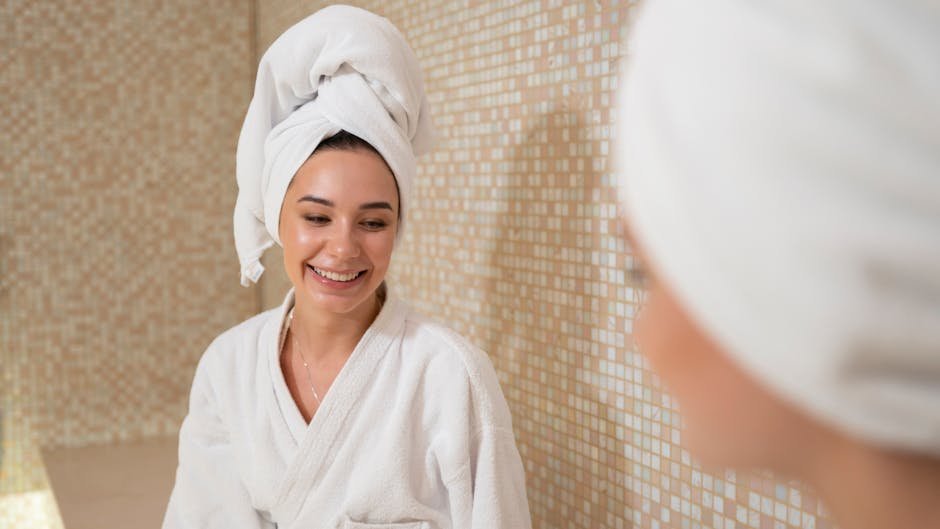
Head spa treatments have gained tremendous popularity in Houston and across the United States, with Japanese and Korean techniques leading the wellness revolution. While both approaches focus on scalp health and relaxation, they differ significantly in philosophy, methodology, and execution. Understanding these differences can help you choose the right treatment for your specific needs and preferences.
Both Japanese and Korean head spa techniques have evolved from centuries-old traditions rooted in their respective cultures’ approaches to wellness and beauty. These treatments go far beyond simple scalp massages, incorporating holistic philosophies that address physical, mental, and emotional well-being through specialized care of the scalp and hair.
Origins and Cultural Philosophy
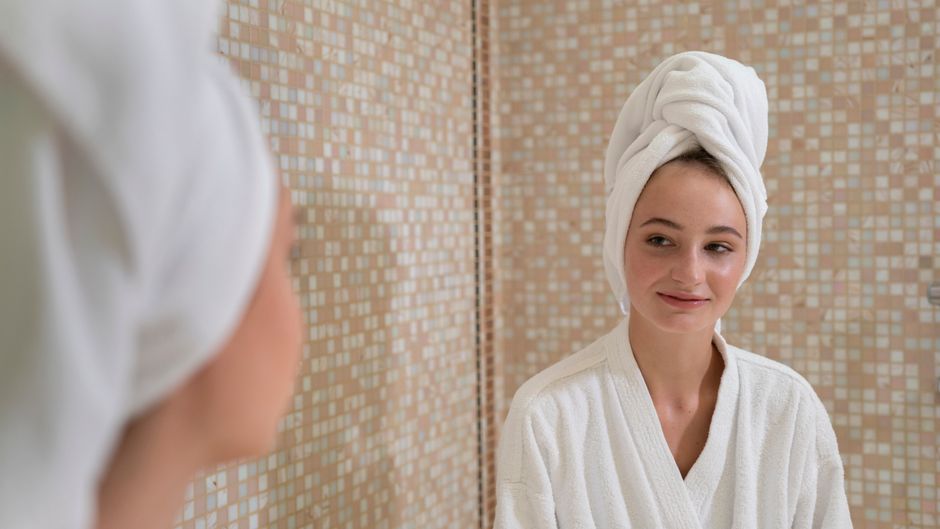
Japanese head spa techniques, known as “head spa” or “scalp care,” emerged from the traditional Japanese concept of “omotenashi” – the art of wholehearted service and attention to detail. This philosophy emphasizes precision, mindfulness, and creating a deeply restorative experience that harmonizes the mind and body. Japanese practitioners view the scalp as a reflection of overall health and believe that proper scalp care can improve circulation, reduce stress, and promote general wellness.
The Japanese approach incorporates elements from traditional practices like “anma” massage and “shiatsu,” focusing on pressure points and energy flow throughout the head and neck area. This methodology treats each session as a meditative experience, with careful attention paid to creating a serene environment that promotes deep relaxation.
Korean head spa techniques, influenced by traditional Korean medicine (TKM) and the modern K-beauty movement, emphasize skin health, anti-aging, and comprehensive scalp treatment. Korean practitioners focus heavily on cleansing, exfoliation, and nourishment, viewing the scalp as an extension of facial skincare. This approach is deeply rooted in the Korean philosophy of “jeong-seong,” which emphasizes sincerity and thoroughness in care.
The Korean methodology draws from centuries of herbal medicine traditions and incorporates modern technological innovations. Korean head spa treatments often integrate multiple steps and products, reflecting the culture’s detailed approach to beauty and wellness routines.
Treatment Methodology and Techniques
Japanese head spa techniques prioritize gentle, rhythmic movements that promote deep relaxation and stress relief. The treatment typically begins with a thorough consultation and scalp analysis, followed by careful cleansing using lukewarm water and gentle, pH-balanced products. Japanese practitioners use specialized massage techniques that focus on specific pressure points around the scalp, temples, and neck area.
The massage component of Japanese head spa involves slow, deliberate circular motions using fingertips and palms, designed to stimulate blood circulation without causing overstimulation. Practitioners often incorporate breathing techniques and encourage clients to focus on the sensations, creating a meditative experience. The pressure applied is generally moderate and consistent, avoiding aggressive manipulation that might cause discomfort.
Japanese treatments frequently include the use of natural oils, particularly camellia oil, which has been used in Japanese hair care for centuries. The application process is methodical, with oils warmed to body temperature and applied using specific techniques that ensure even distribution and optimal absorption.
Korean head spa techniques take a more intensive, multi-step approach that resembles an elaborate skincare routine for the scalp. The treatment typically begins with deep cleansing using specialized scalp cleansers, often followed by exfoliation to remove dead skin cells and product buildup. Korean practitioners use a variety of tools, including silicone brushes, scalp massagers, and sometimes advanced devices like scalp steamers or LED therapy equipment.
The massage techniques in Korean head spa are generally more varied and dynamic, incorporating different pressures and movements to address specific scalp conditions. Practitioners may use techniques ranging from light tapping and drumming motions to firmer kneading and stretching movements. The focus is often on stimulating circulation and promoting hair growth through targeted manipulation of the scalp tissue.
Korean treatments heavily emphasize the use of serums, essences, and masks specifically formulated for scalp health. These products often contain active ingredients like peptides, plant extracts, and vitamins designed to nourish the scalp and promote healthy hair growth.
Products and Tools Used
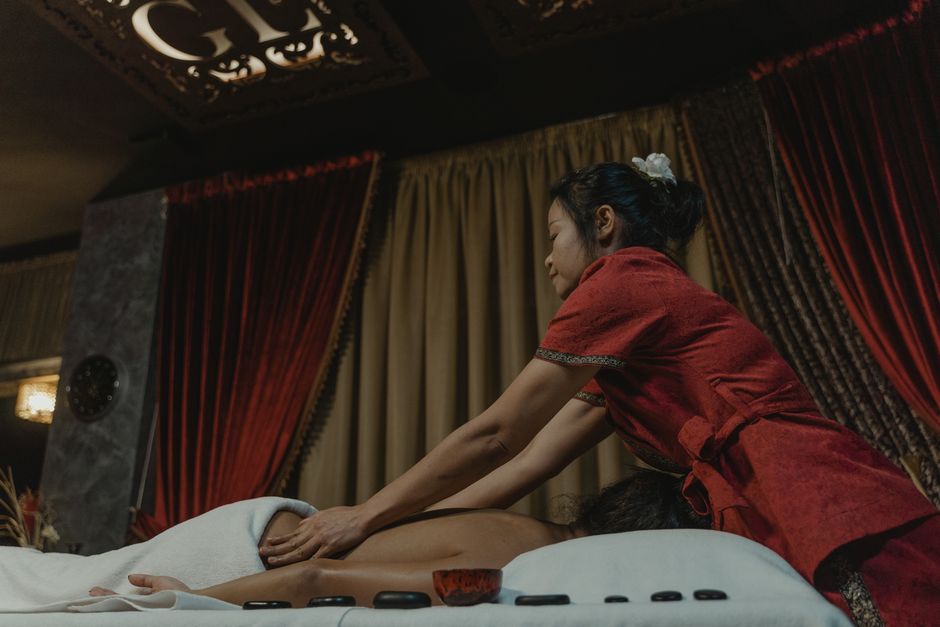
Japanese head spa treatments rely on carefully selected, often minimalist product lines that emphasize natural ingredients and gentle formulations. Traditional Japanese head spa products frequently contain ingredients like rice bran oil, green tea extract, seaweed derivatives, and camellia oil. These ingredients are chosen for their nourishing properties and historical use in Japanese beauty traditions.
The tools used in Japanese head spa are typically simple yet effective, including specialized combs made from natural materials like wood or horn, soft-bristled brushes, and various massage implements designed for gentle scalp stimulation. Hot towels play a significant role in Japanese treatments, used to open pores, enhance product absorption, and provide therapeutic heat.
Japanese practitioners often use traditional ceramic or wooden bowls for mixing and applying treatments, and the water temperature is carefully controlled to ensure optimal comfort and effectiveness. The emphasis is on quality over quantity, with fewer but higher-grade tools and products.
Korean head spa treatments utilize a broader array of products and advanced tools, reflecting the K-beauty industry’s innovation and technology focus. Korean scalp care products often feature cutting-edge ingredients like snail mucin, bee venom, ginseng extracts, and various plant-derived peptides. The product lines are typically more extensive, with specialized formulations for different scalp types and conditions.
Korean treatments frequently incorporate high-tech tools such as scalp analyzers with magnifying cameras, microcurrent devices, LED light therapy equipment, and ultrasonic scalp cleaners. Silicone scalp brushes with various textures and densities are commonly used for different stages of the treatment.
Steam therapy is particularly prominent in Korean head spa, with specialized scalp steamers used to open pores and enhance product penetration. Korean practitioners also utilize a variety of application tools, including different types of brushes, applicator bottles, and sectioning clips to ensure precise product placement.
Duration and Treatment Structure
Japanese head spa sessions typically last between 60 to 90 minutes, with the entire experience designed to promote deep relaxation and stress relief. The treatment structure follows a methodical progression that allows ample time for each step to be performed thoroughly and mindfully.
A typical Japanese head spa session begins with a 10-15 minute consultation and scalp analysis, followed by 15-20 minutes of gentle cleansing and preparation. The main massage component usually lasts 30-40 minutes, performed at a slow, meditative pace that encourages deep relaxation. The final stages, including conditioning treatments and styling, take an additional 15-20 minutes.
The pacing of Japanese treatments is deliberately slow and contemplative, with practitioners taking time between each step to allow clients to fully absorb the benefits of each technique. Silence or soft, ambient sounds are typically maintained throughout the session to preserve the meditative atmosphere.
Korean head spa treatments generally range from 45 to 75 minutes, with a more intensive, results-focused approach that maximizes the effectiveness of each treatment component. The structure is typically more segmented, with distinct phases for cleansing, treatment, and finishing.
A Korean head spa session usually begins with 5-10 minutes of scalp analysis using specialized equipment, followed by 15-20 minutes of thorough cleansing and exfoliation. The treatment phase, which may include multiple serums, masks, and massage techniques, typically lasts 25-35 minutes. The final conditioning and styling phase takes approximately 10-15 minutes.
Korean treatments tend to be more dynamic and varied in pacing, with practitioners adjusting techniques and intensity based on the specific needs identified during the initial analysis. The focus is on achieving measurable improvements in scalp health and hair condition.
Benefits and Target Outcomes
Japanese head spa techniques primarily focus on stress relief, relaxation, and overall wellness. The gentle, meditative approach is particularly effective for individuals dealing with tension headaches, stress-related hair loss, and general fatigue. The emphasis on mindfulness and relaxation can help improve sleep quality, reduce anxiety, and promote a sense of overall well-being.
From a physical standpoint, Japanese head spa treatments excel at improving circulation, reducing scalp tension, and promoting healthy hair growth through gentle stimulation. The use of natural oils and gentle massage techniques helps maintain scalp moisture balance and can improve hair texture and shine over time.
The holistic approach of Japanese head spa also addresses emotional and mental well-being, with many clients reporting improved mood, better stress management, and enhanced mental clarity following regular treatments. The meditative aspect of the treatment can serve as a form of active relaxation that complements other wellness practices.
Korean head spa techniques are designed to deliver more targeted, measurable improvements in scalp and hair health. The intensive cleansing and exfoliation process effectively removes buildup and dead skin cells, creating an optimal environment for healthy hair growth. The use of active ingredients and advanced application techniques can address specific scalp conditions like dandruff, oiliness, or sensitivity.
Korean treatments often show more immediate visible results, including improved scalp condition, enhanced hair volume, and better overall hair health. The multi-step approach and use of specialized products can help address various hair concerns simultaneously, from thinning hair to damaged follicles.
The Korean approach is particularly effective for individuals with specific scalp conditions or those seeking more dramatic improvements in hair health and appearance. Regular Korean head spa treatments can help maintain optimal scalp pH, improve follicle health, and promote stronger, healthier hair growth.
Choosing the Right Technique for Your Needs
Selecting between Japanese and Korean head spa techniques depends on your individual goals, preferences, and lifestyle. Japanese head spa is ideal for individuals primarily seeking stress relief, relaxation, and a meditative wellness experience. If you’re dealing with high stress levels, tension headaches, or simply want to incorporate more mindfulness into your self-care routine, Japanese techniques may be more suitable.
Those who prefer gentle, non-invasive treatments and have sensitive scalps may find Japanese head spa more comfortable and beneficial. The natural ingredients and minimal use of tools make this approach suitable for individuals with allergies or sensitivities to synthetic products or aggressive treatments.
Korean head spa techniques are better suited for individuals with specific scalp or hair concerns who want to see measurable improvements in hair health and appearance. If you’re dealing with scalp conditions like dandruff, excessive oiliness, or hair thinning, the targeted approach of Korean head spa may provide more effective results.
Those who enjoy multi-step beauty routines and don’t mind more intensive treatments will likely appreciate the comprehensive approach of Korean head spa. The use of advanced tools and active ingredients makes this option suitable for individuals comfortable with technology-enhanced wellness treatments.
Consider your time availability and treatment frequency preferences as well. Japanese head spa sessions are longer and more focused on the experience itself, while Korean treatments are more efficient and results-oriented, making them suitable for busy schedules while still providing comprehensive care.
What to Expect During Your Houston Head Spa Experience
When visiting a head spa in Houston offering Japanese techniques, expect a serene, minimalist environment designed to promote tranquility and relaxation. The treatment room will likely feature soft lighting, calming colors, and minimal background noise to enhance the meditative experience. Your practitioner will conduct a gentle consultation, asking about your stress levels, sleep patterns, and general wellness goals rather than focusing solely on hair concerns.
The treatment will progress slowly and mindfully, with your practitioner explaining each step and encouraging you to focus on the sensations and your breathing. You’ll likely experience the use of warm towels, gentle oil applications, and rhythmic massage techniques that promote deep relaxation. The entire experience is designed to feel like a peaceful retreat from daily stressors.
Korean head spa experiences in Houston will typically feature a more clinical or spa-like environment with modern equipment and bright, clean lighting for thorough scalp analysis. Your practitioner will likely use magnifying devices to examine your scalp condition and may take photos to track progress over multiple sessions.
The treatment will involve multiple products and tools, with your practitioner explaining the benefits of each component and how it addresses your specific scalp needs. You may experience various sensations from different massage techniques, tools, and temperature variations as products are applied and removed throughout the session.
Both types of treatments should leave you feeling refreshed and cared for, though the experience and immediate aftereffects will differ based on the technique chosen. Japanese treatments typically leave clients feeling deeply relaxed and mentally refreshed, while Korean treatments often provide more immediate visible improvements in scalp and hair condition along with a sense of thorough cleansing and renewal.
Contact Us
La Moon Massage and Facial Spa
19355 Katy Fwy #300, Houston, TX 77094